ITIF Urges States to Adopt a Common Framework for Judging Data-Center Projects
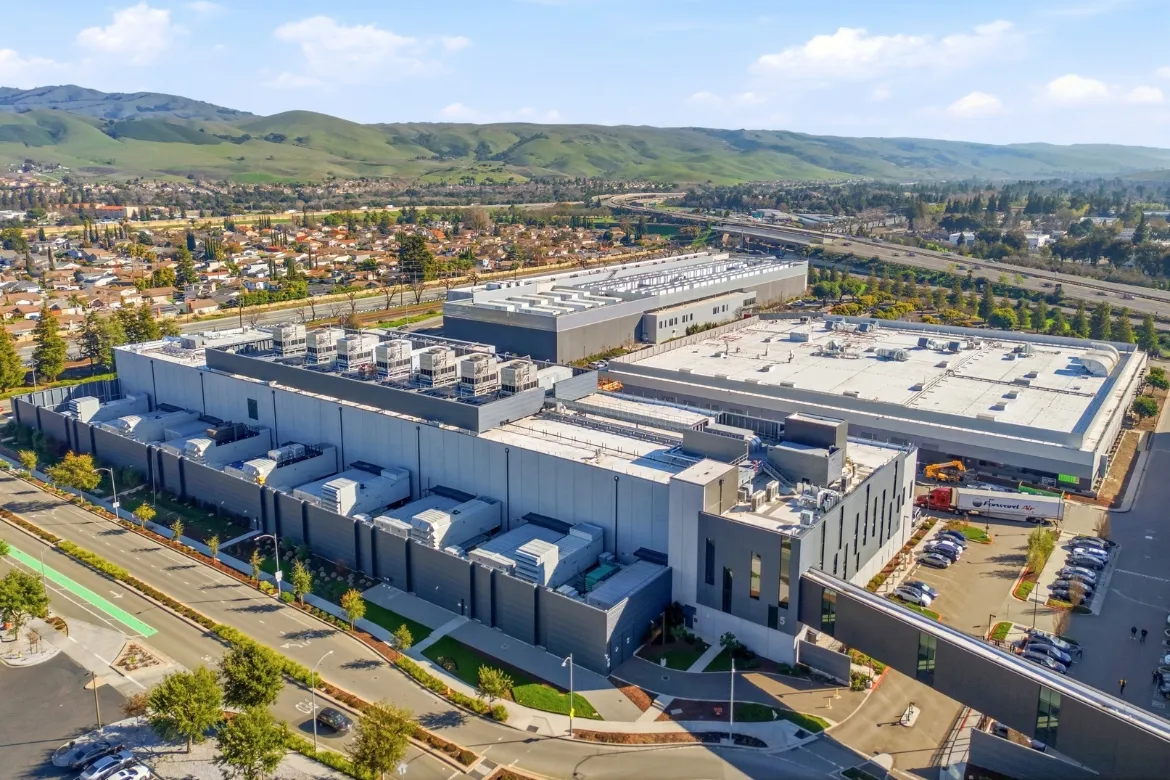
States should adopt a common, industry-informed framework for evaluating major data-center projects, according to Michelle Lopes Maldonado, associate director for AI policy at ITIF. In a piece published by the Center for Data Innovation on October 28, 2026, she argues that this would help decide whether public incentives are justified and how infrastructure costs are shared.
- Michelle Lopes Maldonado of ITIF urges states to adopt a common, industry-informed framework for evaluating major data-center projects.
- States would assign an agency to assess projects seeking public incentives or discretionary approval, and publish the assessment before incentives are committed.
- The framework would cover electricity demand, grid and water needs, environmental impacts, tax revenues, jobs, incentives and community benefits.
- Developers should pay an appropriate share of infrastructure costs attributable to their projects instead of shifting them to households.
- Incentive agreements should include measurable obligations and reporting requirements.
Why the question is getting harder
Maldonado writes that AI is driving a new wave of data-center development, and that policymakers now face a more complicated economic-development question than when these facilities drew relatively little public scrutiny. Data centers can bring substantial investment, tax revenue and economic activity, she says, but they can also require significant investments in electricity generation, transmission, water systems and other infrastructure.
Concerns about electricity prices, grid reliability, land and water use, and the distribution of economic benefits are increasingly shaping decisions about where and how developers build data centers, according to the piece.
She points to federal policy as a related effort. The White House has pursued faster federal permitting for data centers and related energy infrastructure, including transmission, while securing commitments through its 2026 Ratepayer Protection Pledge to shield ordinary electricity customers from costs associated with new data-center demand. In her framing, these efforts address two complementary concerns: letting developers build the infrastructure AI needs, and keeping households from paying for costs attributable to new data-center demand.
What the proposed framework would do
The piece calls on state legislatures to direct a designated state agency to set up an assessment process for major data-center projects that seek public incentives or discretionary government approval. Instead of each state building its own methodology, states would draw on a common framework developed in consultation with data-center operators, utilities, local governments and other stakeholders.
According to Maldonado, industry participation would help the methodology reflect the operational and economic realities of data-center development, while public agencies would set disclosure requirements and decide how assessments inform decisions.
The framework would cover:
- projected electricity demand
- grid and water infrastructure requirements
- environmental impacts
- tax revenues
- employment
- public incentives
- proposed community benefits
It should also distinguish temporary construction jobs from permanent facility employment, account for public infrastructure costs and foregone tax revenue, and separate direct fiscal benefits from broader estimates of economic activity.
Process, cost allocation and accountability
Under the proposal, developers would supply project-specific information, and the responsible agency would publish its assessment before officials commit public incentives or other discretionary resources. Policymakers would use it to judge whether incentives are necessary to secure a project, whether expected public benefits justify the costs, how infrastructure expenses should be allocated, and what developers should commit to in return for public support.
On electricity, Maldonado argues that if a new data center needs a major transmission upgrade or additional generation, policymakers need clear rules for allocating those costs. Developers should pay an appropriate share of the costs attributable to their projects rather than shifting them to households through higher electricity bills. Utilities and regulators, in turn, need predictable processes for assessing infrastructure needs and connecting new projects to the grid.
Agreements that include specific promises on investment, employment, tax revenue or community benefits should carry measurable obligations and reporting requirements, she writes. That would let officials check whether projects deliver what was promised and use the results in future decisions on incentives and development policy.
What it could mean for states, developers and communities
Maldonado says a common framework would make projects easier to compare across jurisdictions, reduce duplicative reporting requirements and give developers more certainty about what information they must provide. It would not force states to reach identical conclusions or give up authority over siting, utilities and incentives, and states could still account for differences in energy systems, water availability, fiscal priorities and local economic conditions.
She also sets limits on the idea. The objective, she writes, is not to guarantee public approval of every project or to give local opposition an informal veto. It is to set predictable rules that help policymakers assess who benefits, who pays, and whether public support is justified.
Her conclusion is that expanding America's computing capacity and protecting the public interest are compatible goals. A common assessment framework, combined with predictable permitting and fair infrastructure cost allocation, would help states attract investment while ensuring that data-center development supports long-term economic growth, according to the piece. The article is a policy argument by an ITIF author, not a description of any enacted law.
Center for Data Innovation: Establish a Common Framework for Evaluating Data-Center Projects