Datadog adds monitoring for Oracle AI Database on AWS, Azure and Google Cloud
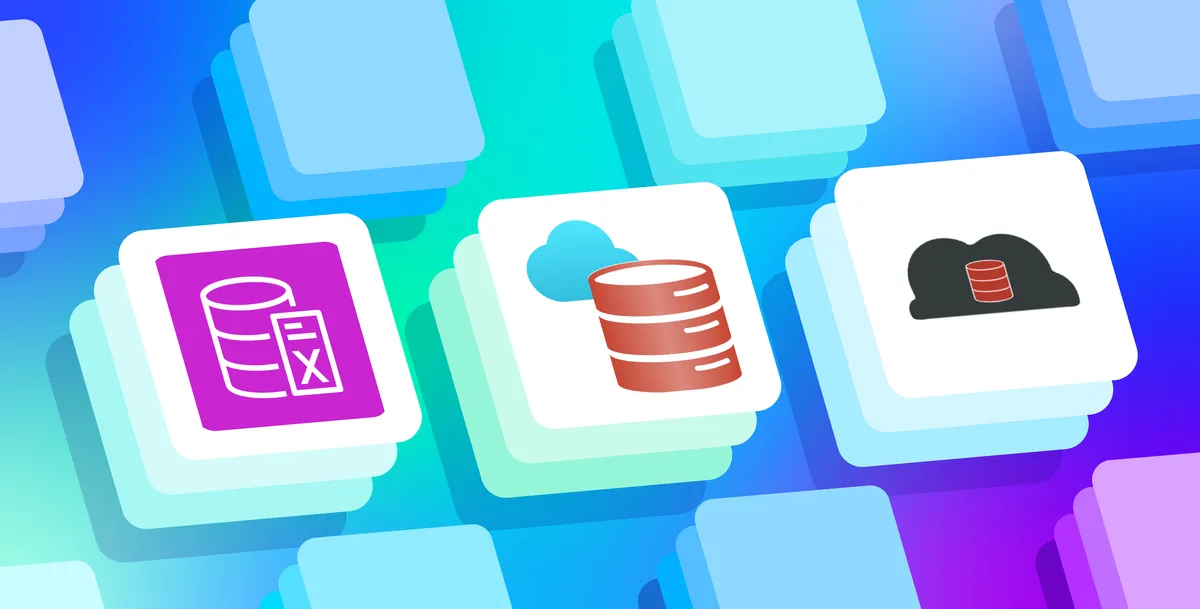
Datadog has detailed how it supports Oracle AI Database@AWS, Oracle AI Database@Azure and Oracle AI Database@Google Cloud through dedicated sub-integrations. According to the company, each one ships with more than 50 out-of-the-box metrics and dashboards for Oracle database infrastructure.
- Datadog supports Oracle AI Database@AWS, @Azure and @Google Cloud through dedicated sub-integrations.
- Each sub-integration offers more than 50 out-of-the-box metrics and dashboards.
- DBM with Bits Chat is designed to take engineers from a slowdown to a root cause in one investigation.
- DBM and APM link traces to query samples to help validate performance after migration.
- CCM merges OCI and cloud provider costs using FOCUS tags and ingests cost data daily.
Closing the visibility gap between apps and databases
Organizations can run Oracle databases next to the cloud applications they support, instead of managing them on premises, by using Oracle AI Database@AWS, @Azure and @Google Cloud. Datadog says this setup can create visibility gaps, because applications run in one provider's environment while the databases are hosted on Oracle Cloud Infrastructure (OCI). When performance drops, finding the source can be hard. Teams also struggle to assess application performance after a migration and to attribute database costs across separate bills from cloud providers and Oracle.
The sub-integrations sit inside Datadog's standard integrations for AWS, Microsoft Azure and Google Cloud. Teams can pair them with Datadog Database Monitoring (DBM) to investigate query performance, Application Performance Monitoring (APM) to correlate database activity with application requests, and Cloud Cost Management (CCM) to analyze spending.
Troubleshooting slowdowns and validating migrations
Datadog describes a common problem: the cloud team checks the application, the database administrators check the database, and the root cause sits in the gap between them. DBM addresses this with Database Investigations in Bits Chat. According to Datadog, engineers without deep Oracle expertise can go from a slowdown to a root cause in a single investigation.
DBM collects workload metrics, query samples and execution plans from Oracle databases. Bits Chat examines that data alongside logs from across the stack and points to a root cause with remediation steps. Each step links to relevant queries, services and database instances, with live graphs. Users can ask follow-up questions or add context, such as a recent deployment.
In Datadog's example, a latency spike on a service endpoint is traced from APM to DBM. Bits identifies the query behind the spike and finds that the optimizer periodically chooses a full table scan instead of an index lookup. It recommends pinning the good plan with a SQL Plan Baseline, an Oracle feature that stops the optimizer from switching plans, loaded from the cursor cache. Afterwards, users can ask Bits to recheck the metrics.
DBM also offers direct views. The Databases view breaks active connections down by wait group, showing whether queries wait on CPU, I/O or locks. The Top Queries view shows execution counts, average durations and total execution times for normalized SQL statements.
For migrations, Datadog adds APM trace identifiers to DBM query samples, so each sampled trace shows the query behind it. Connections can be broken down by upstream APM service to see which applications put the most load on the new database. Inside a trace, users can open the explain plan and execution history, including sampled wait events, average latency and recent plans for similar queries.
Attributing Oracle costs across teams and clouds
Cloud providers and Oracle report spending separately. A provider's bill may show Oracle database charges as one line item, while OCI billing gives more granular usage but lacks application context.
Datadog CCM brings OCI and cloud provider costs into one dataset and normalizes them using FinOps Open Cost and Usage Specification (FOCUS) tags. Once OCI cost collection is configured, CCM ingests cost data daily. OCI cost data includes a resource_id tag that helps correlate costs with observability data.
Combining CCM with DBM and APM lets teams compare spending against query activity. A database with high costs but little query activity might be a candidate for rightsizing, while heavy activity from one application service can show which team drives spending. Datadog Notebooks give engineering and FinOps teams a shared workspace. Tag Pipelines standardize inconsistent tags, Tag Explorer identifies allocation gaps, and cost monitors can alert on unexpected OCI spending increases. Multi-provider budgets and forecasts track Oracle costs next to other cloud expenses.
What it means for teams
For organizations running Oracle databases through the three hyperscalers, Datadog positions the integrations as a way to see database, application, infrastructure and cost data in one platform. Setup starts by configuring the AWS, Azure or Google Cloud sub-integration. Datadog also offers a 14-day free trial for those without an account.
Datadog: Monitor Oracle AI Database across clouds with Datadog