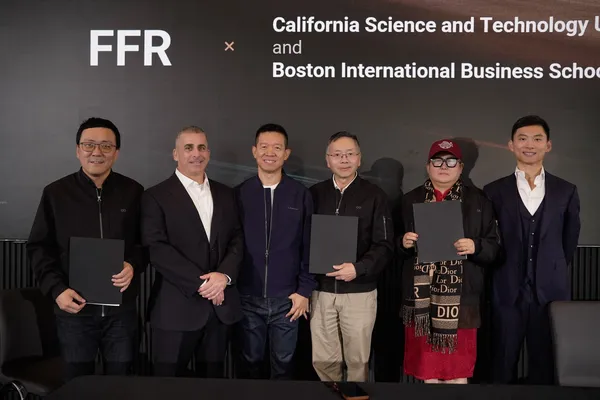
FFR delivers Aegis Ultra robots to Central Michigan University
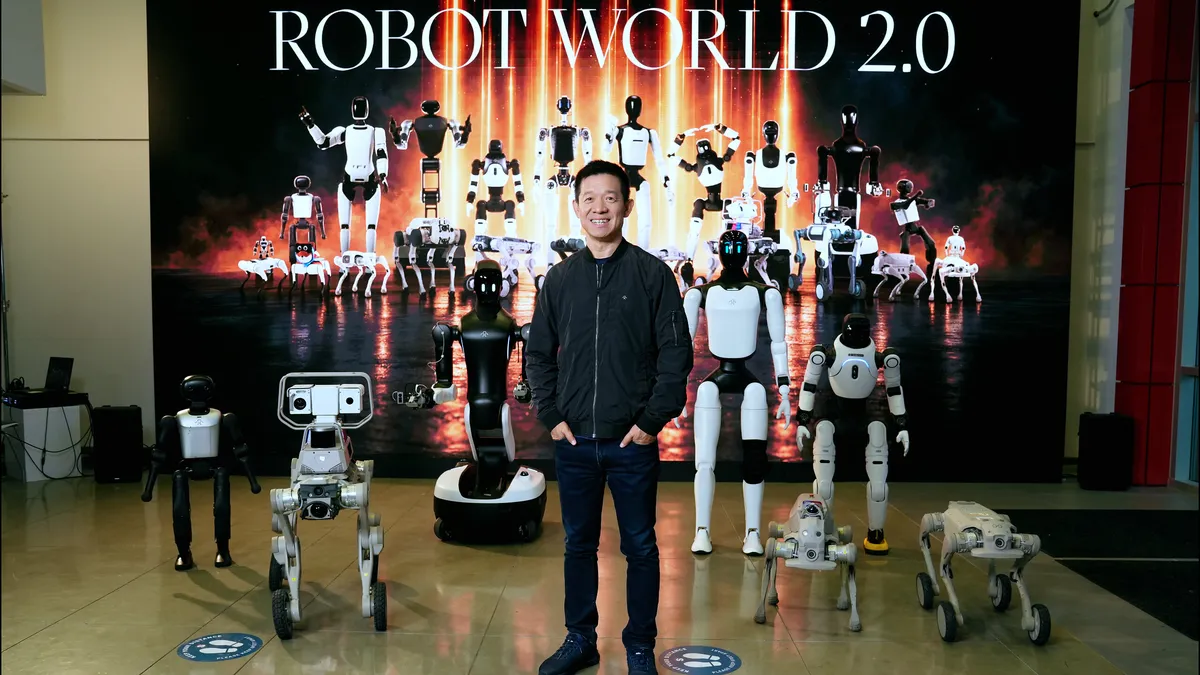
FF EAI Robotics Ecosystem has delivered two Aegis Ultra robots to Central Michigan University, its first customer in Michigan and its first university laboratory customer in the state. The company also outlined progress on robot applications, its Brain Blocks development tools and its 2026 robotics outlook.
- FFR delivered two Aegis Ultra robots to Central Michigan University.
- CMU is FFR's first customer in Michigan and first university lab customer in the state.
- Faber U completed simulated validation for label-based parts sorting.
- Brain Blocks launched an AI module with motion recording and playback.
- FFR reaffirmed guidance for approximately 2,000 robotics units sold and shipped in 2026.
First Michigan university customer
FFR said the delivery expands its Education and Research Ecosystem beyond K, 12 schools into universities and research labs. The company also described it as a step beyond California as it works on the Hundred-City Initiative for robot deployment.
The robots were delivered to CMU's Department of Recreation, Parks, and Leisure Services Administration. According to FFR, the department's work will provide a setting for Physical AI teaching, research and hands-on practice, while helping the company develop use cases for other colleges and universities.
FFR said it plans to begin a customer success tour across its four industry ecosystems. The company will visit customers and share videos, written updates and feedback from users working with its robots.
Faber U moves toward industrial testing
In its Industrial and Logistics Ecosystem, FFR recently completed a simulation-based validation of a label-based parts-sorting scenario using Faber U, a wheeled mobile manipulator. The company said the work prepares the way for tests on physical robots and proof-of-concept projects in real-world settings.
FFR said Faber U combines autonomous mobility, precise manipulation and dual-arm coordination. Planned application areas include sorting, machine loading and unloading, and logistics transfer, with the company developing what it calls Skills and Industry Productivity Solutions.
Brain Blocks, one of six development tools on FFR's Developer Platform, has also launched an AI module with motion recording and playback. The module can recognize gestures, body poses, objects and sounds, then use those results in block-based programs without coding, according to the company.
Financial results and planned platforms
FFR said the acquired robotics business generated unaudited standalone combined revenue of approximately $2.3 million and gross profit of approximately $593,000 during the first nine months of the year. The company reported a gross margin of about 26% for that period.
FFR reaffirmed its 2026 standalone guidance for the robotics business of approximately 2,000 units sold and shipped, with continued deliveries at a positive unit gross margin. These figures are company guidance and are subject to the risks described in its filings.
The company also said it plans to launch its Physical AI Cloud technology platform during CES, together with Productivity Token standards. FFR said the standards are intended to define how robot productivity is measured, calculated and used, creating a basis for pricing and transacting robot-sharing services.
For users and prospective customers, the updates point to FFR's effort to broaden deployments from education into university research and industrial workflows, while making robot programming more accessible through no-code tools. The company also said it plans to announce progress on capital partnerships in early December.