GitLab 19.6 adds agentic tools to reduce vulnerability backlogs
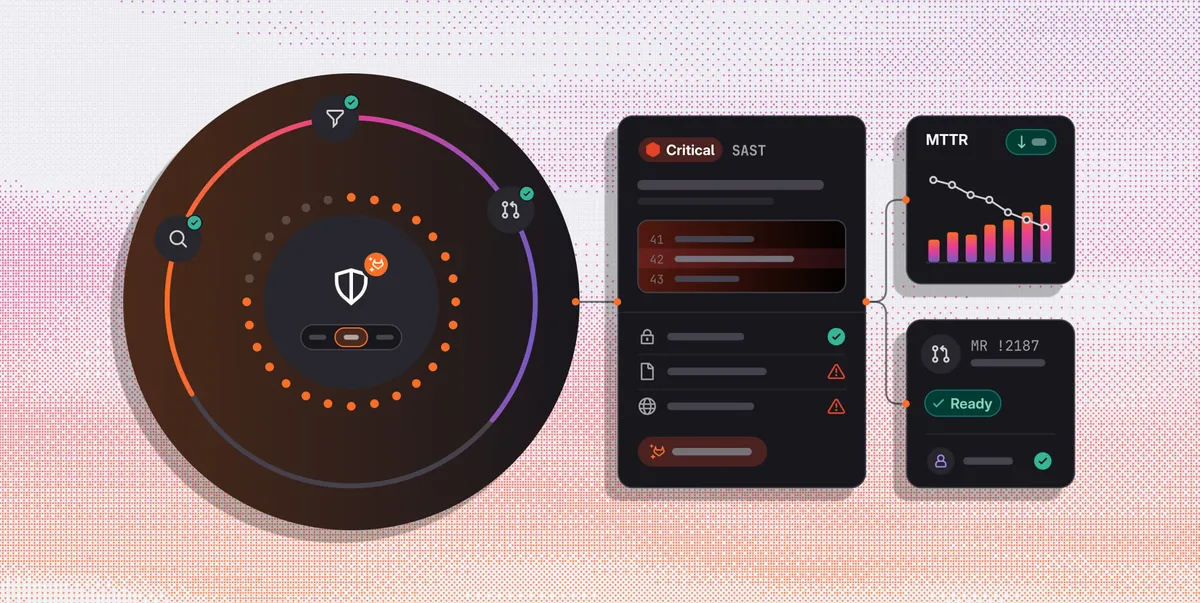
GitLab 19.6 adds new agentic security features designed to help teams triage and remediate vulnerabilities across multiple projects. The release includes group-wide automation profiles, exploitability context for SAST findings and a new chart for tracking mean time to remediation.
- GitLab 19.6 enables agentic remediation profiles across multiple projects.
- Vulnerability Context Flow adds exploitability details to SAST findings.
- A new dashboard chart tracks weekly MTTR by project, group and organization.
- Business Logic Security Analyzer is in beta for GitLab Ultimate customers.
- Claude Mythos 5.2 can power BLSA on request.
Automation across project groups
Security managers can now use automated triage and remediation profiles to enable agentic flows across many projects without writing scripts against the API. Projects can be selected by group or attribute from Security Inventory or the security configuration page.
Each profile can enable flows for false-positive detection, risk contextualization and vulnerability resolution. Managers can choose one of three presets, Conservative, Standard or Proactive, which determine the severity levels addressed and whether each flow runs automatically or on demand.
After a profile is applied, Security Inventory shows which projects have an enabled flow alongside their scanner coverage. GitLab says one customer applied an ATR profile to 136 projects during the first week after the profiles became accessible through the API. ATR profiles are available to GitLab Ultimate customers on all GitLab offerings.
Exploitability context for SAST findings
GitLab's Vulnerability Context Flow adds information that can help teams distinguish between findings with different levels of practical risk. It analyzes the affected service, including services in a monorepo, and adds a risk table to the SAST finding.
The table indicates whether exploitation requires authentication or elevated authorization, whether the service handles sensitive data and whether it is exposed to untrusted input. Teams can use that information to rank findings by exploitability as well as severity.
Vulnerability Context Flow is in beta for GitLab Ultimate customers on all GitLab offerings in 19.6. GitLab says the feature is intended to provide more context than a scanner finding alone, such as the difference between an isolated internal service and a public-facing service handling sensitive data.
Tracking remediation and deeper code risks
The security dashboard now includes a weekly MTTR chart for vulnerabilities in first-party code and third-party dependencies. Results are available at the project, group and organization level, with grouping by severity or scan type and filtering by project.
The chart displays MTTR alongside the number of vulnerabilities fixed each week. It includes vulnerabilities that have been resolved or are no longer detected, while excluding dismissed findings. To reduce the effect of older findings on the trend, each week counts only vulnerabilities detected in the 90 days before that week began. The chart is enabled by default for GitLab Ultimate customers in 19.6.
GitLab Ultimate customers on GitLab.com can also enable Business Logic Security Analyzer themselves. The beta feature scans repositories for issues such as broken ownership logic, missing authorization checks and multi-step abuse paths. GitLab says BLSA is available in 19.6, with access on GitLab Self-Managed and GitLab Dedicated available by contacting the company. Anthropic's Claude Mythos 5.2 can power BLSA on request through an account team.
Why GitLab is expanding agentic remediation
GitLab frames the release as a response to a growing gap between vulnerability discovery and remediation. The company says the National Vulnerability Database published twice as many CVEs in 2026 as in all of 2025, while attackers are using AI to discover and exploit flaws faster.
GitLab Duo security agents can examine codebases and merge requests for logic flaws, while built-in scanners identify known vulnerabilities from source to runtime. For confirmed findings, an agent can write a fix, open a merge request and rerun tests and scans. Developers still review the proposed change, and the fix follows the same approvals as other changes.
For users, the release offers a way to apply remediation workflows across larger project groups, prioritize SAST findings using service context and measure whether remediation time is falling. These features require GitLab Ultimate.
GitLab: Cut your vulnerability backlog with agentic remediation