GPT-6.2 Astra and Sol Put to the Test Building a 3D Pyramid
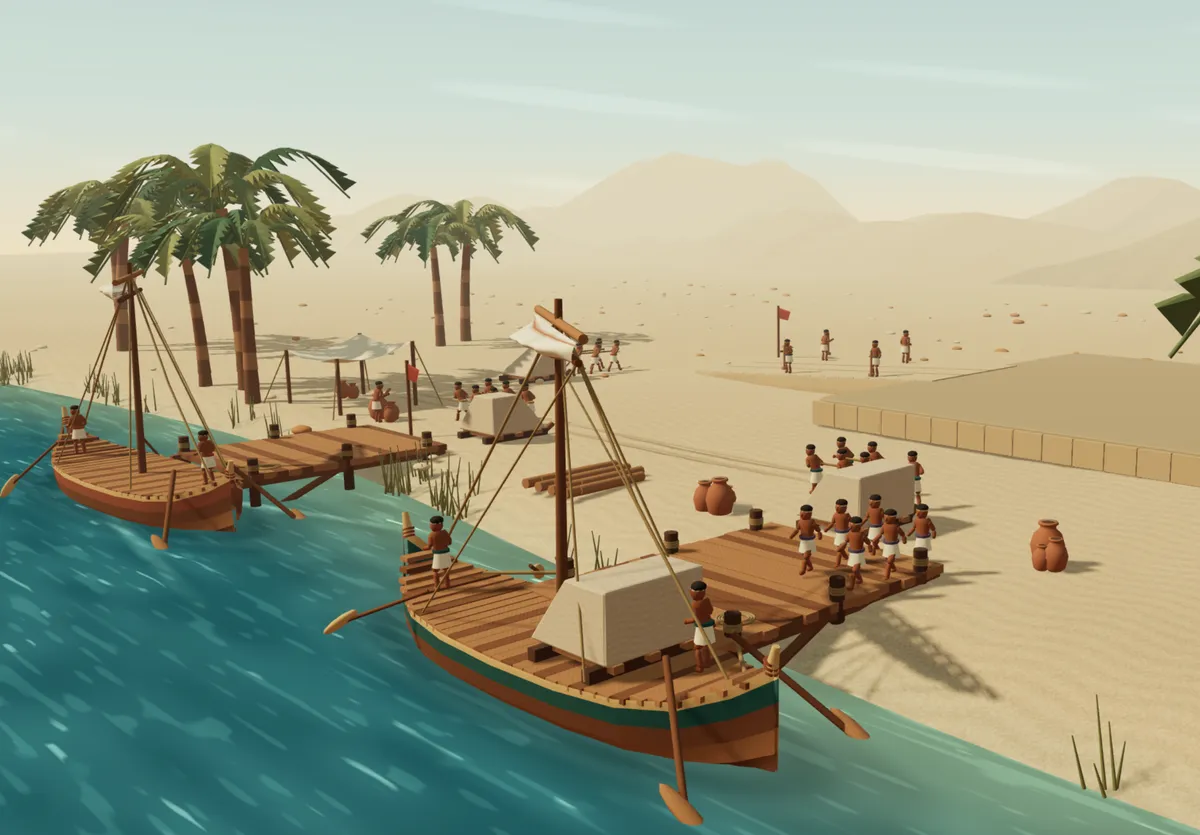
Kilo tested OpenAI’s GPT-6.2 Astra and GPT-6.2 Sol by asking both models to build an interactive 3D scene of workers constructing a pyramid. Both completed the project, but Kilo found Astra produced the more polished visual result while Sol offered clearer operational feedback.
- Both models built a 204-stone pyramid with eight completed courses.
- Kilo found Astra stronger visually, while Sol made crew activity easier to follow.
- Astra costs $8 per million input tokens and $40 per million output tokens.
- Sol costs $2 per million input tokens and $10 per million output tokens.
- Kilo recommends comparing both models on repeated runs of the same task.
One task, two different approaches
Kilo gave GPT-6.2 Astra and GPT-6.2 Sol the same prompt: create a polished, interactive 3D simulation of ancient Egyptian workers building a pyramid, with boats delivering materials along a river. The models had to choose the technology, visual style and construction method themselves.
The requested scene included coordinated workers hauling heavy loads, boats that dock and unload supplies, different types of materials, and construction of the pyramid’s entrance, tunnels and burial spaces. The finished structure also had to include a connected, walkable interior, transparency controls and a first-person mode.
Both models used Three.js, Vite and TypeScript. Each built a pyramid containing 204 stones across eight courses, and both placed all 204 stones. Kilo stressed that this was one run per model, describing the result as a first “vibe look” rather than a definitive benchmark.
Astra leads on presentation, Sol on visibility
Kilo said Astra’s result looked like a film set, while Sol’s looked more like a strategy game. Astra’s scene had the stronger visual presentation, with details such as the sledge, ropes and dock planks holding up under close inspection.
Sol’s scene was simpler, but its information panel made it easy to see what each crew was doing. That distinction broadly matched OpenAI’s positioning of the models: Astra is aimed at the hardest projects and work where quality matters most, while Sol is designed as a fast, versatile model for everyday work.
OpenAI says Sol can approach Astra’s results at a lower cost. On FrontierCode 2.0, a test of whether changes to real codebases meet maintainers’ merge standards, OpenAI says Sol came within 0.5 points of Astra at about one-fifth the cost, with both models evaluated at their maximum setting.
Pricing, access and how to run the comparison
Astra costs $8 per million input tokens and $40 per million output tokens, while Sol costs $2 and $10. These are standard API rates, with higher rates applying above 272K input tokens. Kilo says Astra’s input and output token prices are 20% lower than GPT-6 Astra’s, with a 60% discount on cached input. Sol keeps GPT-6.1 Sol’s rates.
Both models are available in ChatGPT Work and Codex for Plus, Pro, Enterprise and Edu users, and through the API as gpt-6.2-astra and gpt-6.2-sol. Ultrafast is available for both at launch. Kilo Desktop is generally available, and users can run each model in a separate session and git worktree so they do not modify the same files.
Kilo recommends using the same Desktop version and settings, running each model at least three times, and recording time and plan usage. Users can also connect Kilo to an eligible ChatGPT plan with “Continue with ChatGPT”, drawing on included Codex and ChatGPT Work usage instead of per-token API billing. According to Kilo, this connection adds no new allowance, and users can limit Kilo’s share of their weekly plan usage in ChatGPT settings.
For everyday tasks, Kilo recommends starting with Sol because its per-token price is a quarter of Astra’s. It says Astra is the better choice when visual quality, long projects or difficult problems matter most. The pyramid test supports that split, but Kilo advises users to run both models on their own work before choosing.
Kilo Code: GPT-6.2 Astra vs. Sol in Kilo: The Great Pyramid Test