Judges Urge Practical AI Guardrails Instead of Broad Courtroom Bans
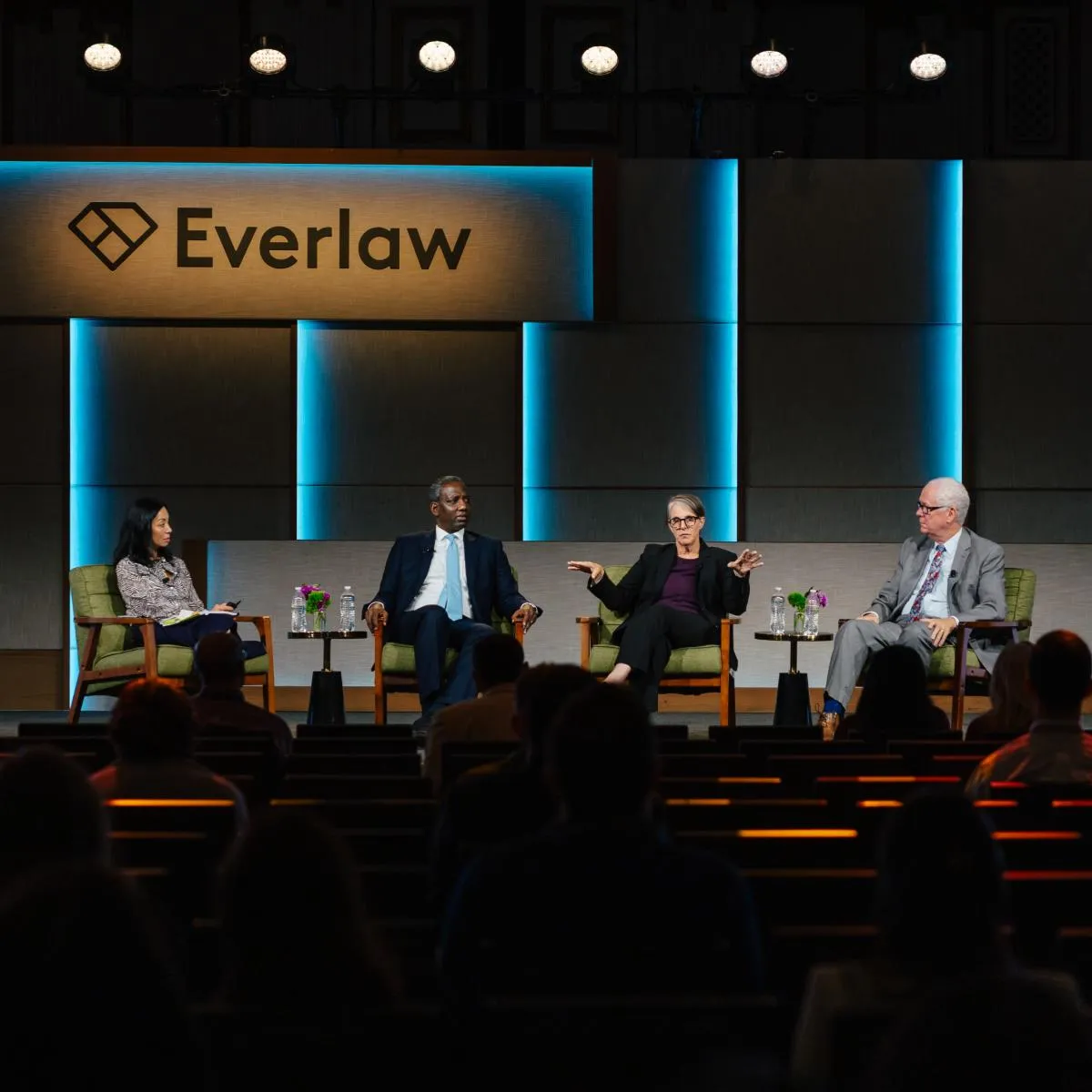
Judges speaking at Everlaw Summit ‘26 called for practical safeguards around artificial intelligence in legal work, warning that broad disclosure rules and uncoordinated experimentation may create more problems than they solve. The panel also highlighted heavier scrutiny of court filings and the continuing need for human responsibility.
- Judges say AI has increased scrutiny of legal filings and citations.
- The panel questioned the value of broad AI disclosure standing orders.
- Arizona surveyed judges about AI use and training needs.
- A district working group brings judges, clerks and IT staff together.
- Panelists stressed cybersecurity and keeping a human in the loop.
AI is changing how judges review legal work
During the judges panel, moderated by Everlaw Chief Legal Officer Gloria Lee, Hon. Allison H. Goddard, Hon. Willie J. Epps, Jr., and Hon. Samuel A. Thumma discussed how generative and agentic AI are affecting judicial workflows.
Judge Goddard described growing judicial interest in learning to use AI as “a really welcome change.” Judge Epps said the spread of AI in legal drafting has led him and his staff to examine filings “with a critical eye, even from the top law firms.” He said courts must verify that cited cases exist and support the arguments presented.
Judge Epps also said he reviews drafts from law clerks more closely because they use AI, citing his concern about releasing material that is “just dead wrong.” Judge Thumma compared the arrival of generative AI in chambers with the early days of social media and said “a tide is rising” among judges who are becoming more curious about the technology. Arizona has distributed a statewide survey across its appellate and trial benches to assess how judges use AI and what guidance they need.
Panel rejects blanket approach to AI disclosure
The discussion also examined standing orders that require lawyers to disclose or certify their use of generative AI. Lee said lawyers face a patchwork of “884 different standing orders or local rules for disclosure of generative AI use” across federal and state courts nationwide.
Judge Goddard said such orders are unnecessary and warned that rules banning artificial intelligence without defining generative AI could be interpreted so broadly that lawyers would be “handwriting their stuff and then not scanning it.” She argued that courts already have ways to address fabricated material and should “refocus on the tools we already have to address these issues.”
Judge Thumma questioned whether disclosure should determine the level of scrutiny applied to a filing. In his view, courts should apply “that same degree of scrutiny for everything that comes their way.” He said standalone AI orders may undermine public confidence and “don't accomplish anything.”
Courts urged to build safeguards inside chambers
The judges advocated practical guardrails, training and cooperation among judges, clerks and technology staff. Judge Epps said he tells students in his University of Missouri judicial writing course, “I welcome your use of AI,” while stressing that judges need to understand and work with the technology.
Judge Goddard described a district working group known as “the trifecta,” which brings together judges, law clerks and IT staff. The group explores ways to use AI “not just to be faster, but to be better,” including proofreading and drafting scheduling orders.
Judge Thumma warned against judges “going rogue” with off-the-shelf tools without considering confidentiality, personally identifiable information and cybersecurity. He also emphasized keeping a “human in the loop,” asking, “Is the judge making the decision or is the bot making the decision?” The panel's message for courts and legal professionals was to develop shared fluency and clear internal practices while preserving human accountability.