Meta Brings Loblaw Shopping, Voice and Custom Spaces to Muse in Canada
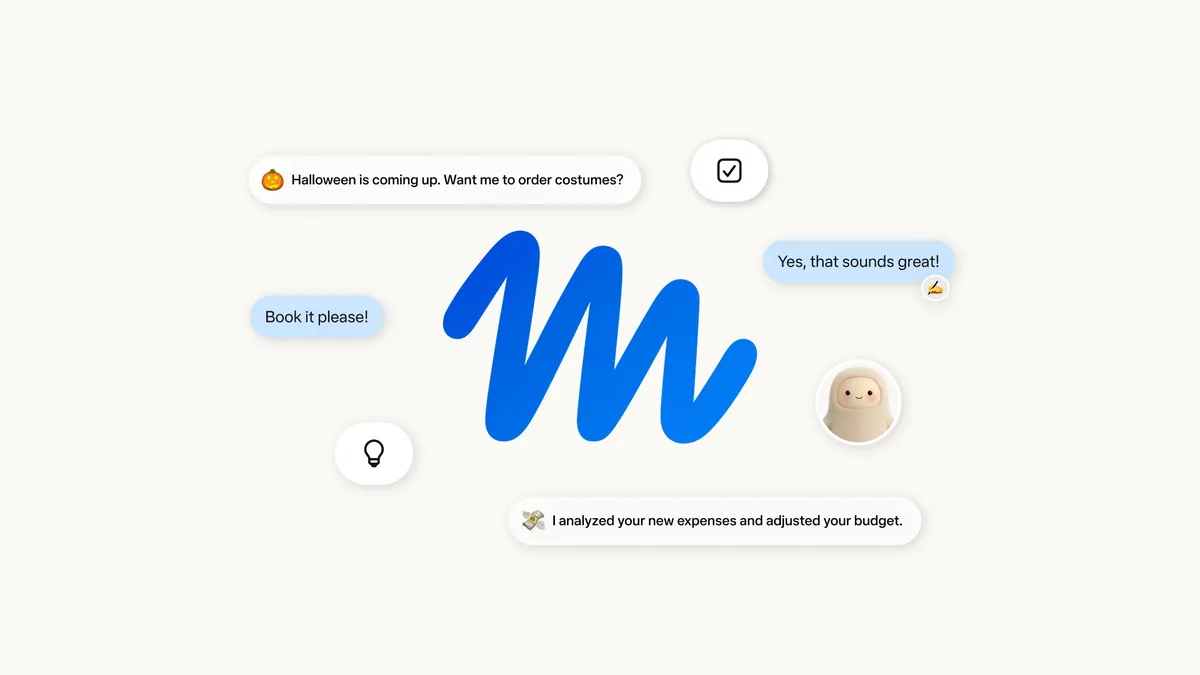
Meta says Loblaw is becoming the first Canadian retailer to bring its catalogue to Muse, allowing Canadian shoppers to plan meals, build baskets and check out through the assistant. Meta is also rolling out Muse voice conversations in Canada and highlighting its customizable spaces feature.
- Loblaw is Muse’s first Canadian retail partner.
- Canadian shoppers can use participating Loblaw banners for meal planning, basket building and checkout in Muse.
- Muse voice is rolling out in Canada on mobile, web and Mac.
- Spaces are customizable experiences that can connect to users’ apps and update in the background.
- Muse Secure VM stores connected-service data and credentials while keeping passwords and payment methods out of the agent’s view.
Loblaw brings shopping into Muse
Starting today, Loblaw is bringing its catalogue to Muse as a partner connector. According to Meta, participating Loblaw banners will let Canadian shoppers ask Muse to help with meal planning, build their basket and check out without leaving Muse.
Muse can remember brand preferences and information such as food allergies, which Meta says can make planning for the following week easier. The retailer is the first Canadian partner to use this connector approach.
Meta describes connectors as a key part of Muse, allowing Canadians to link services they already use, including Gmail, Google Calendar and Instagram. These connections can help Muse manage email, coordinate schedules and use saved content when handling everyday tasks.
Meta outlines safeguards for connected services
Meta says Muse operates on Muse Secure VM, which it describes as a dedicated computer in the cloud. The system stores data and credentials for connected services while keeping passwords and payment methods out of the agent’s view.
Users choose what Muse can access, and the assistant checks with them before sensitive actions, including sending an email or making a purchase. Meta says careful design and engineering are required to operate the technology more safely.
That approval step is especially relevant as Muse moves beyond information and planning into actions such as shopping. The source does not provide additional details about how Loblaw purchases are processed.
Voice conversations arrive in Canada
Meta is also rolling out Muse voice in Canada, two weeks after introducing the feature. It is available in the Muse app on mobile, web and Mac. Users can tap the phone icon in the top-right corner to start talking.
According to Meta, voice is designed for users who want to think through an idea without focusing on an exact prompt. As Muse responds, its avatar uses expressions and gestures that match the conversation’s tone and reacts while the user talks.
Users can choose voice only, show the avatar alongside the conversation or use a full-screen view. Meta previously previewed real-time conversations with Muse at Connect 2026.
Spaces let users shape their Muse experience
Meta also describes spaces, custom experiences created inside Muse by describing an idea. Examples in the announcement include a holiday gift tracker, a daily word game and a planning board for a DIY project.
Spaces are designed around users’ routines, goals and interests. They can connect to the apps a user employs, allowing information such as concert dates, price changes or savings progress to update in the background. Users can check items off, add notes and make edits within a space.
Users can place spaces in Muse’s sidebar or main tabs, hide them and schedule when they appear. For Canadian users, the combination of Loblaw shopping, voice interaction and personalized spaces gives Muse several ways to manage planning and tasks, while the required approvals keep users involved in sensitive actions.