Microsoft Foundry adds continuous improvement for AI agents
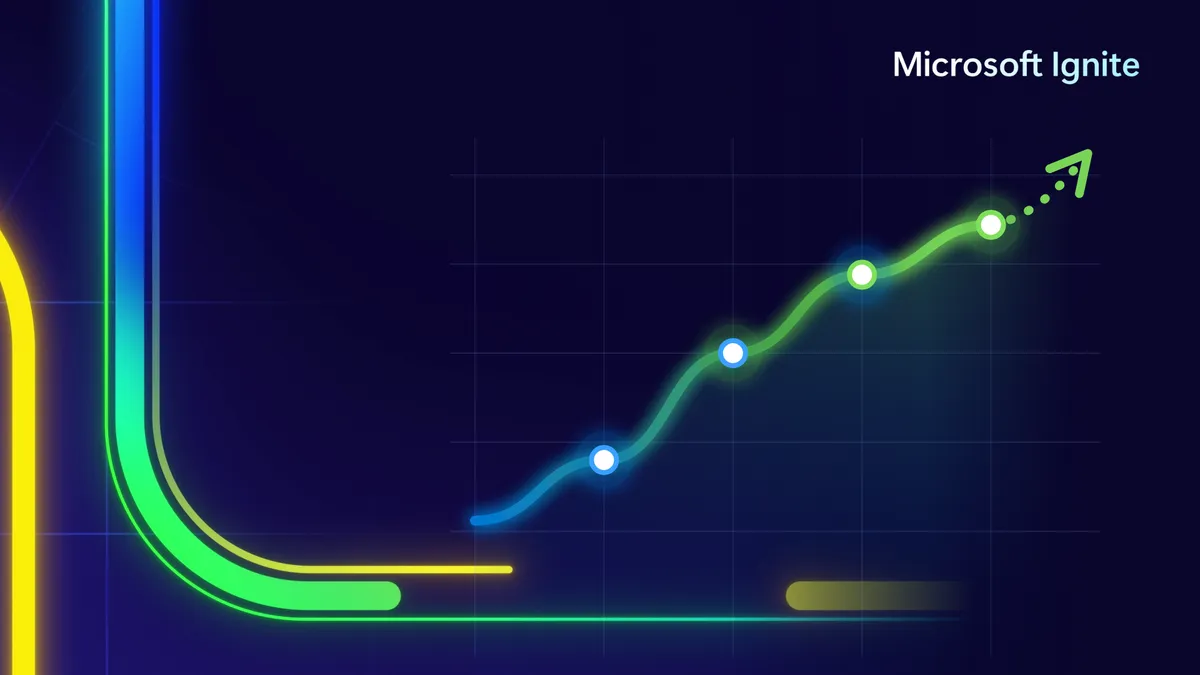
Microsoft is bringing continuous improvement to Microsoft Foundry, giving organizations tools to build, run, govern and improve AI agents as they handle real work. The company introduced the capabilities at Microsoft Ignite on November 17.
- Microsoft is bringing continuous improvement capabilities to Microsoft Foundry.
- Foundry uses traces, user input and expert feedback to improve agents.
- The platform offers access to more than 11,000 models.
- Microsoft says its model router can save up to 65% compared with using frontier models for every request.
- Agent optimizer tests proposed changes before teams choose whether to deploy them.
A learning loop for enterprise agents
Microsoft Foundry is designed to feed agent traces and user input back into the system, creating what Microsoft describes as a continuous learning loop. The platform looks across agent runs for possible improvements, tests them, and shows how each candidate affects quality, speed and cost. Teams then decide which changes to deploy.
The improvement process can begin with relatively lightweight changes, such as updating instructions or skills, and extend to agent configuration and training model weights with an organization’s own data. Microsoft positions this as part of Microsoft IQ, with the company saying that an organization’s unique intelligence can remain its advantage while its agents improve through use.
Under the proposed setup, GitHub is where teams build agents and Foundry is where they run and supervise them. Both operate on Azure as one system, according to Microsoft.
Building, running and governing agents
Microsoft says teams can describe an agent in everyday language and use GitHub Copilot to write most, or potentially all, of the code. GitHub Copilot Fusion routes and orchestrates models during development, balancing performance, latency and cost.
For deployment, Foundry offers access to more than 11,000 models from providers and sources including OpenAI, Anthropic, Meta, Mistral, open source models and Microsoft AI models. Its model router sends simpler requests to smaller models and more complicated requests to larger models. Microsoft says its testing shows the router can save up to 65% compared with sending every request to a frontier model.
Agents running in Foundry receive an identity through Entra Agent ID. Foundry guardrails are intended to limit access to what an agent needs, while sensitive actions can require human involvement. Agent controls in Foundry Safety check agent behavior against guardrail policies during runtime.
Foundry Agent Service supports agents built with a preferred framework and harness through hosted agents. Microsoft says hosted agents now handle more concurrent sessions in general availability and start faster in preview. The Microsoft Copilot harness is also in preview, with reusable skills and sub-agents.
Four steps for continuous improvement
Microsoft describes the process as four repeating stages: Establish, Identify, Optimize, then Validate and repeat.
In the Establish stage, teams define what good performance means through evaluations. Rubric evaluators let organizations set business-specific criteria, including safety and quality criteria in preview. Foundry records traces for each run, and annotations on traces, also in preview, allow experts to mark what worked, what failed and what the agent should have done. These records can become evaluation datasets and golden datasets that serve as benchmarks for later versions.
The Identify stage uses Insights, which Microsoft says is generally available, to group recurring problems, show supporting evidence and suggest likely causes. The same visibility is available for agents built outside Foundry with LangGraph, LangChain and CrewAI, according to the company.
In the Optimize stage, Agent optimizer proposes changes to instructions, skills and model choice, then tests candidates against evaluations. Preview features include sending production insights to the optimizer, skill optimization and cost optimization. Teams retain control over deployment, since Microsoft says no change reaches production until they apply it.
For organizations that need model-level changes, Managed Training supports training with their own data, while Programmed Training, in preview, lets engineers write Python training recipes that Foundry runs on serverless GPUs. These tools give enterprise teams a path from observing agent behavior to testing improvements and choosing which changes to adopt.
Microsoft Azure: Continuous improvement comes to Microsoft Foundry