Brookings: 2026 Midterms Could Bring Tougher Data Center Policy
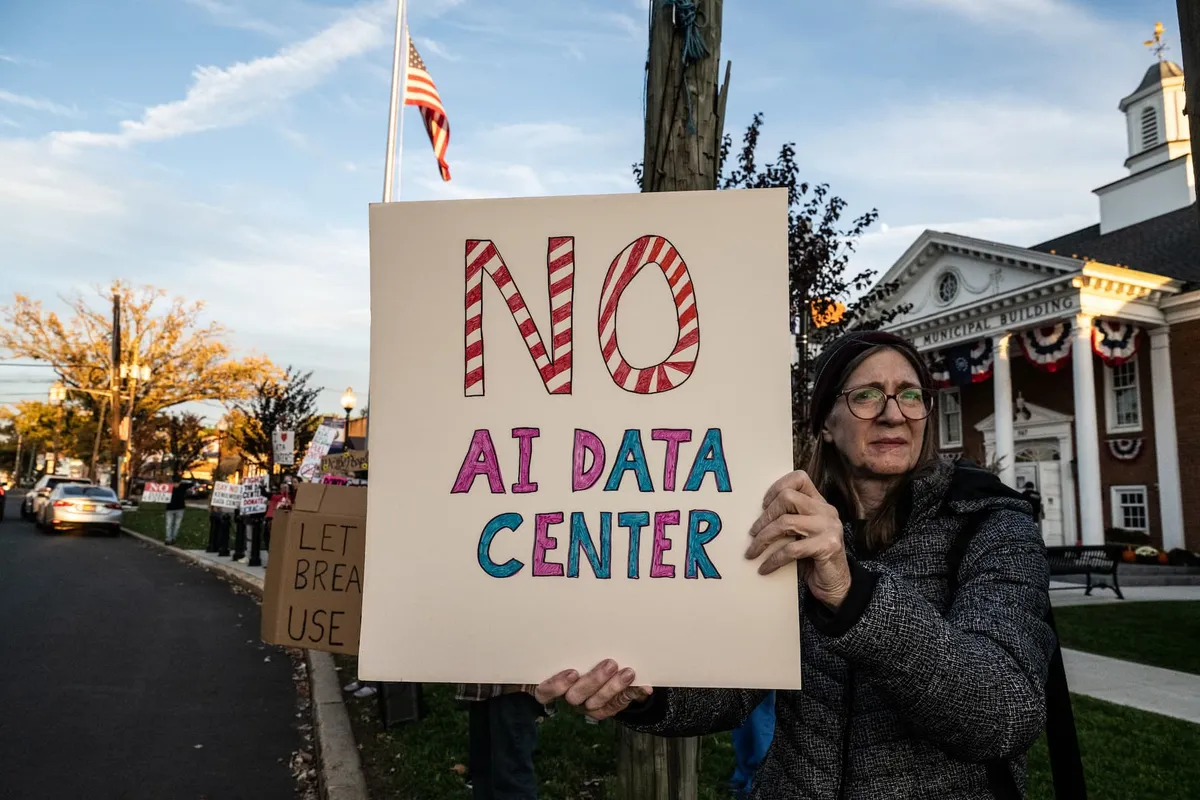
The 2026 midterm elections could make life harder for data center developers at the national, state and local levels, according to a Brookings TechTank analysis by Nicol Turner Lee. The piece argues that new committee leadership in Congress and a changed political climate in many states will shift debates toward tighter limits on construction and operations.
- Brookings says the 2026 midterms could bring tougher data center policy at national, state and local levels.
- Several dozen localities held referenda on bans or zoning limits, often approved by more than three-quarters of voters.
- Ratepayer protections could shift from voluntary to mandatory and may raise developers' costs.
- Sen. Ron Wyden proposed an excise tax on large data centers using 25 megawatts or more.
- Prince William County, Virginia voted in September to end automatic approvals after a 90-day grace period.
A political shift with local roots
Brookings describes the election as a "blue-wave" and says it could have a dramatic impact on data center policy. Several dozen cities and counties held referenda on bans or major zoning restrictions, and in many places the limits were approved by more than three-quarters of the vote, according to the analysis.
The author lists a wide set of policy levers that could come into play in the new year: tougher permitting reform rules, more moratoriums, a stronger Ratepayer Protection Act, data centers on federal lands, limits on by-right development, mandatory disclosure of rogue AI, repeal of sales tax exemptions, excise taxes, an end to nondisclosure agreements (NDAs) in data center deals, stronger community engagement, and lawsuits or political action.
Permitting, moratoriums and ratepayer rules
A bipartisan group of senators backs a bill promising faster reviews of energy and infrastructure projects, amid a pledge from President Donald Trump to reduce his attacks on wind and solar energy. The House is likely to vote on it in November, but Brookings says it is unclear whether there will be enough votes to speed environmental reviews and limit local input into data center projects. Democrats may prefer to wait until their majority is sworn in, and some Republicans may be reluctant after the defeat of some visibly pro-data center representatives.
Some states and localities have already enacted moratoriums or pauses on construction to assess energy, water and land use needs. These were meant as short-term fixes, but Brookings says they could become more widely adopted and perhaps extended. Local leaders will then need to decide what their lasting policies should be once the pauses lapse.
On costs, Trump issued an executive order calling for developers to cover new energy costs rather than pass them to consumers. Brookings notes that many of those requirements are voluntary and apply to future projects only. After the midterms, the analysis says, they could become mandatory, and new ratepayer bills are likely to be tougher on industry. Tech firms could also be asked to pay for infrastructure improvements or grid modernization, which would raise construction and operating costs.
Federal lands, by-right approvals and AI disclosure
Facing growing opposition, the Trump administration has proposed building data centers on federally owned land, with plans pushed in Arizona, Oregon, Utah and Nevada. The Nevada proposal includes the Townsite Data Center on 88.5 acres owned by the Bureau of Land Management, and it became a significant issue in the Nevada gubernatorial election. Brookings says the approach bypasses local approval and permits, but local communities are likely to see it as an effort to sidestep local control.
Some areas are also curbing by-right development, which lets large data centers be built without local approval. Prince William County in Virginia voted in September to end automatic approvals once a 90-day grace period ends. The Virginia legislature also rejected a proposal that would have let state agencies bypass local zoning and permitting requirements.
The analysis also links the data center debate to AI safety. Because misdeeds by AI agents are currently known only through voluntary disclosure, Brookings expects policymakers to move toward mandatory disclosure of rogue AI agents, and to raise questions about federal preemption of state laws.
Tax changes on the table
Many states exempt data center equipment purchases from sales taxes, giving them the same treatment as manufacturing and industrial equipment. With public concern over tax abatements for tech companies, some places are proposing to repeal these exemptions, which Brookings expects to spark a vigorous debate between economic development and tax fairness advocates.
Sen. Ron Wyden (D-Ore.) has announced a plan for an excise tax on the gross receipts of data center services such as data processing, cloud services and AI, with revenue going to unemployment benefits for workers displaced by digital technologies. He has not specified the rate, but the proposal would cover only large data centers using 25 megawatts or more. Company officials have already pushed back, claiming it will stifle innovation and restrict economic growth.
What it means for the industry
Taken together, Brookings says these shifts would dramatically alter the policy environment for data center infrastructure and the broader tech sector. For developers, the analysis points to higher costs, more local scrutiny and less certainty about approvals, while the outcome of the permitting bill and the fate of moratoriums will show how far the new political mood translates into law.
Brookings (AI): How the 2026 midterms could reshape data center policy