Palo Alto Networks backs EU cloud sovereignty rules with four principles
Palo Alto Networks is urging European policymakers to balance digital sovereignty with cybersecurity as the European Union debates its proposed Cloud and AI Development Act. The company says sovereignty rules should give organizations greater control without isolating them from the threat intelligence needed to defend critical services.
- The EU proposed CADA in June 2026 as part of its European Tech Sovereignty Package.
- CADA would establish four Union Assurance Levels for cloud services.
- Palo Alto Networks says sovereignty must preserve access to cybersecurity intelligence.
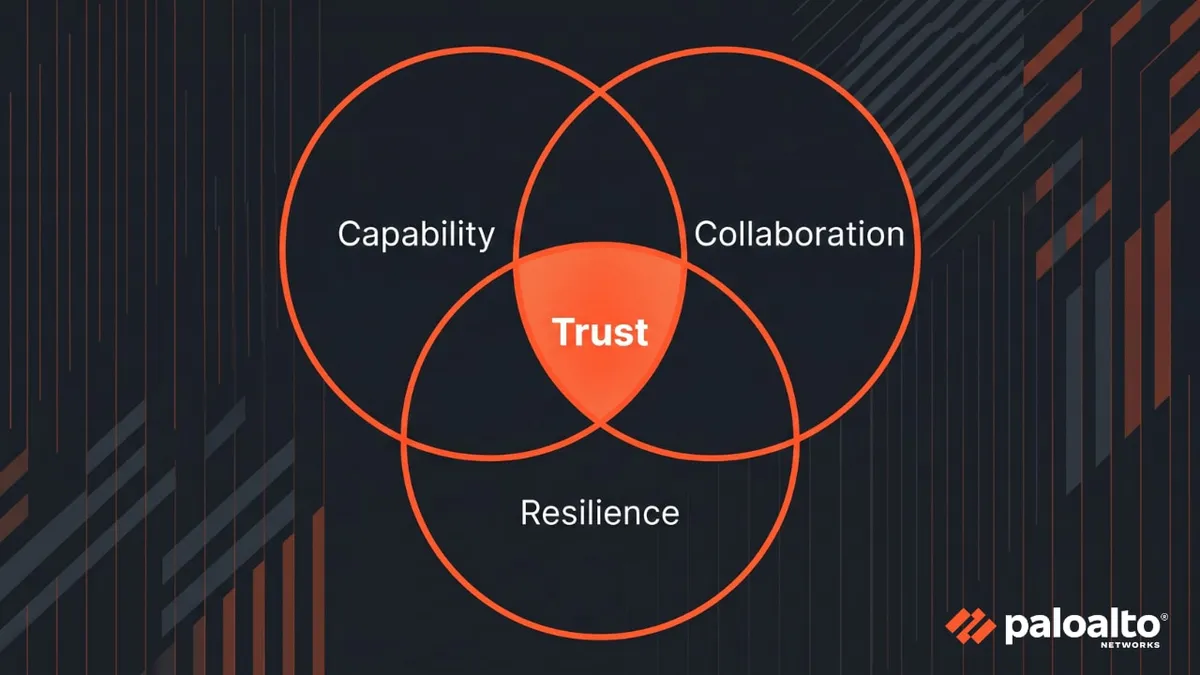
- The company identifies capability, collaboration, resilience and trust as guiding principles.
- Palo Alto Networks is extending its sovereignty commitments through Sovereign Prisma SASE.
From a cloud framework to proposed legislation
In a blog post published Nov 12, 2026, Helmut Reisinger, Palo Alto Networks’ author, said conversations with European organizations have shifted from defining sovereignty to determining how much control they need, how to demonstrate it and how to achieve it without weakening security.
The European Commission published its Cloud Sovereignty Framework in October 2025, alongside a €180 million tender. The framework was intended to guide EU institutions when procuring sovereign cloud services. Its eight objectives and tiered scoring system have since become a reference point beyond the institutions it was designed for, according to Palo Alto Networks.
In June 2026, the Commission proposed the Cloud and AI Development Act, or CADA, as part of the European Tech Sovereignty Package. The proposal introduces four Union Assurance Levels, with each level building on the previous one. Under CADA, public sector cloud services would need to meet at least the first level, with narrow exceptions. Public bodies would then determine whether higher levels are needed, while services connected to public order, including justice and critical infrastructure, would require one of the higher levels.
Why Palo Alto Networks wants security included
Palo Alto Networks welcomes CADA’s risk based approach, saying a common set of levels could help public bodies make more consistent sovereignty decisions. The company compares this model with the EU AI Act, which assigns obligations according to the risks linked to how artificial intelligence is used.
However, the company cautions that excessive fragmentation could make cyber defense harder. Attacks are detected by connecting signals across organizations and regions, while global threats require access to intelligence gathered across borders. Palo Alto Networks says sovereignty should allow organizations to retain control of their data while remaining connected to the intelligence that protects them.
Reisinger also argues that European organizations should retain meaningful choices among providers and services. In the company’s view, optionality is part of sovereignty because organizations need the freedom to select the approach that fits their needs.
Four principles and Palo Alto Networks’ products
Palo Alto Networks says future sovereignty policies should be guided by four principles: capability, collaboration, resilience and trust. Capability means ensuring Europe has access to advanced technology, infrastructure, innovation and skills. Collaboration requires regulators, standards bodies, technology providers and customers to help shape CADA, including how risk is assessed. Resilience means ensuring critical services can withstand and recover from cyber incidents, infrastructure failures and geopolitical instability. Trust requires verifiable claims, independent certification and clarity about data access and control of encryption keys.
The company says it intends to contribute to CADA’s legislative process and apply those principles to its own services. In June 2026, Palo Alto Networks and Deutsche Telekom announced Sovereign Cortex, described as the company’s first sovereign security operations solution. Palo Alto Networks is now extending those commitments to secure access and network security for hybrid workforces through Sovereign Prisma SASE. The company says these services keep customer data in Europe, place encryption keys in customers’ hands and use threat intelligence without sending customer data and systems data back out.
For European organizations, the debate could shape how public services assess cloud providers and decide what level of control is appropriate. Palo Alto Networks’ position is that sovereignty should be visible in how services operate, while remaining closely tied to security, resilience and independently verifiable assurances.
Palo Alto Networks: Europe Is Setting the Global Standard for Sovereignty. Here Is Where We Stand.