CoreWeave AI cuts Aston Martin F1 aerodynamic prediction error by 50%
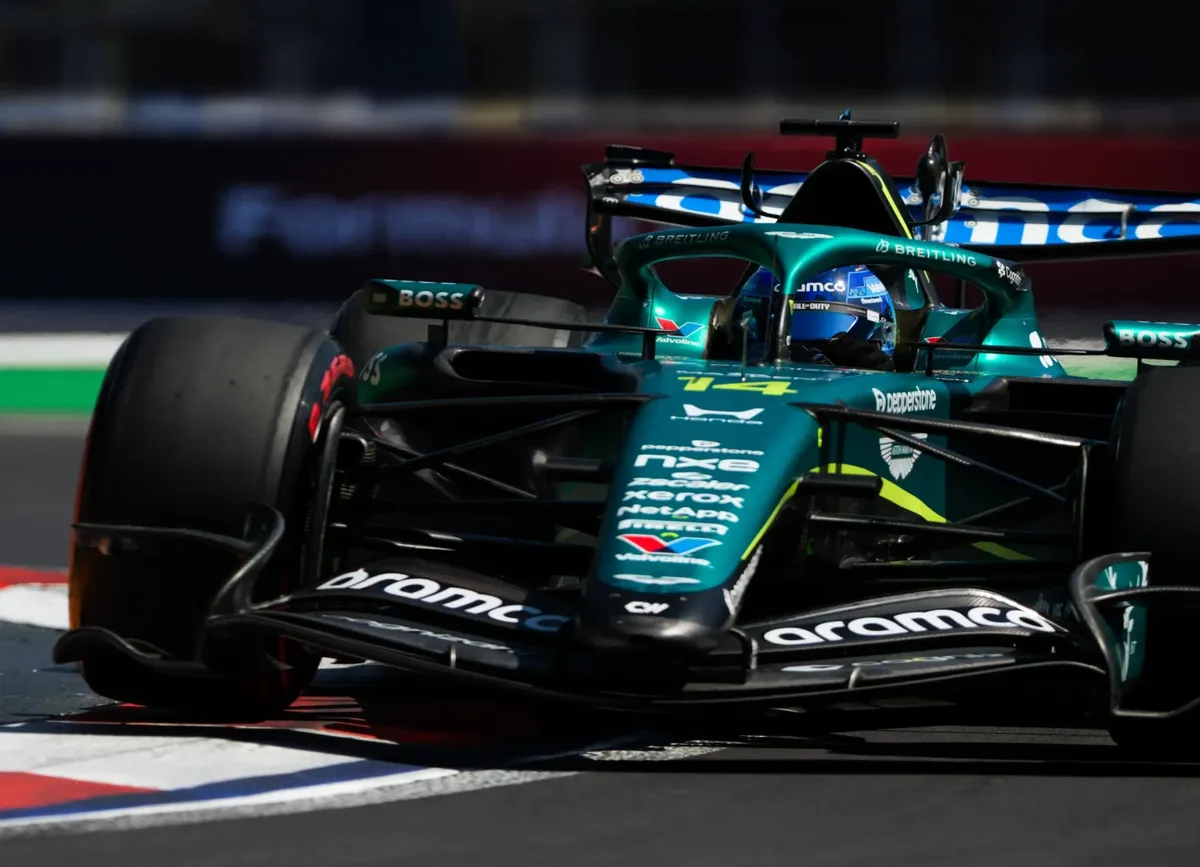
CoreWeave and the Aston Martin Aramco Formula One Team have built a machine learning model that reduces the error in predicting on-track aerodynamic performance from wind tunnel data by 50%. The team uses the model before each race to guide component choices and setup.
- The model reduces on-track aerodynamic prediction error by 50%.
- It was built by CoreWeave with Aston Martin Aramco's Vehicle Science team.
- The model uses noisy sensor data, including telemetry streamed at 100Hz.
- Aston Martin Aramco uses it before each 2026 race to guide setup.
- The team retained the pipeline for retraining and extension.
Turning the wind tunnel delta into a setup advantage
Wind tunnel testing gives Aston Martin Aramco a controlled way to assess downforce and drag from components such as floors and front wings. But track conditions introduce variables the tunnel cannot fully reproduce, including braking, cornering loads, curbs, changing weather and track temperature, as well as the effects of driving in another car's dirty air.
The difference between the prediction and the car's actual performance is known as the delta. Previously, the team typically discovered that difference during Friday practice, then adjusted its setup. According to CoreWeave, the new model predicts the delta for a circuit before the car runs, allowing engineers to arrive with a more calibrated starting point.
A model built for small, noisy engineering datasets
The car's sensors capture wind speed, vehicle velocity, steering angle, ride height and other inputs linked to aerodynamic performance. Although live telemetry streams at 100Hz, the usable dataset from each race weekend is small because real-world readings are noisy and must be downsampled. With 24 races in a season, the team has a limited number of opportunities to gather learning data.
CoreWeave's Physical AI Field Engineering team worked alongside Aston Martin Aramco's Vehicle Science team for six weeks, delivering the model ahead of the 2025 season finale in Abu Dhabi. The engineers jointly selected relevant signals and carried out feature engineering. CoreWeave says a novel modern modeling approach outperformed statistical methods, classical modeling techniques and the team's existing solution.
The result was checked against the car's aerodynamic sensors on track. Aston Martin Aramco retained the pipeline, which its Vehicle Science team can retrain and extend as every race weekend adds more data. Experiments were tracked in Weights & Biases Models so the different approaches could be compared and reproduced.
From Friday discovery to pre-race preparation
Through the 2026 season, Aston Martin Aramco has used the model in the week before each race to guide setup. Engineers can account for the expected real-world value of components before the car leaves the factory, including when a circuit calls for a high-downforce configuration.
“The wind tunnel will always be our reference, but the track is where performance is decided,” said Enrico Cardile, Chief Technical Officer, Aston Martin Aramco Formula One Team. “Working with CoreWeave's engineers, we now arrive at each circuit with a clearer picture of how the car will behave there, so practice goes into refining the setup instead of discovering it.”
CoreWeave presents the project as an example of physical AI applied beyond Formula 1. The company says the same approach can support work where predictions must match physical reality, including calibrating simulators against field data and reducing the number of physical tests needed for a new design. For Aston Martin Aramco, the immediate benefit is more informed setup work before practice begins.
CoreWeave: How AI Closes the Wind Tunnel Gap in F1® Aerodynamics