New York Justice Tanya R. Kennedy Says Generative AI Is Here to Stay for Courts
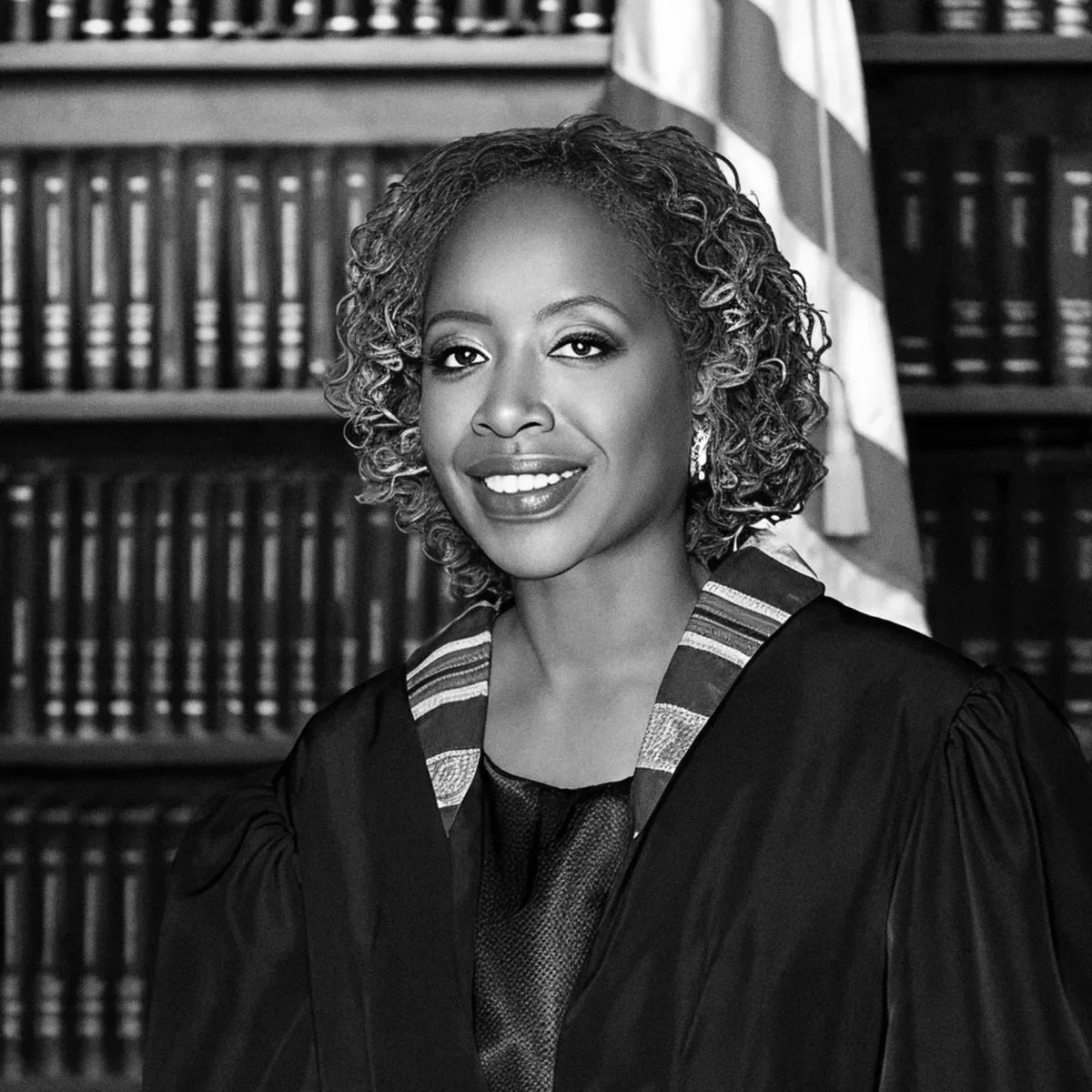
Justice Tanya R. Kennedy of the Appellate Division, First Department, says generative AI is "here to stay" and that courts, lawyers and law schools need to embrace it. In an interview with legal technology company Everlaw, she also stressed that users must verify AI output and keep human judgment at the center of legal practice.
- Justice Tanya R. Kennedy told Everlaw that AI and generative AI are "here to stay" and that the legal community should embrace them.
- She believes New York is drafting a statewide court AI policy that will be released soon, while stressing she speaks only for herself.
- Kennedy warned that users must verify generative AI output and treat it as a tool.
- She said she cannot answer whether jobs will be replaced but expects new jobs to be created.
- She described AI education as a shared responsibility of the bench, bar and law schools.
A career in public service shapes her view
Kennedy has spent her entire legal career in the public sector. According to the interview, she began at the New York City Law Department, Office of the Corporation Counsel, where she handled juvenile delinquency cases. She then moved to the department's Family Court Division, representing the City of New York in personal injury actions. Later she served as Principal Law Clerk to Justice Barry A. Cozier (Ret.) in the Commercial Division of the Supreme Court, New York County, handling complex commercial cases.
She told Everlaw that working across different courts, first as an intern, then as an attorney and finally as a judge, gave her a broad view of how the system is experienced by litigants. In her words, each court has its own character and culture. She argued that how a judge presides over a case and handles discovery influences outcomes and also shapes how people perceive the fairness of the system.
Embrace the technology, but keep learning
Kennedy said her comments represent only her own views, not those of her court or the New York State Unified Court System. Within that caveat, she was direct: AI and generative AI are here to stay, and it is important for everyone to embrace them.
She said she believes the New York State court system is drafting a statewide policy that will be released soon. She also welcomed that states, bar associations and judicial associations across the country are starting conversations about how state courts can begin using AI.
As presiding member of the New York State Bar Association Judicial Section, she said, the group hosted three webinars for judges and attorneys on generative AI. One included a live demonstration of how the technology could be used to draft jury charges. She noted that lawyers are starting to use it and that firms are building their own platforms and investigating different use cases. Because the technology moves quickly, she said, judges and attorneys must keep learning and stay aware of their ethical obligations.
She also pointed to law schools that are adding generative AI and ediscovery to their curricula, which she called key because that is where the legal profession is going.
Jobs, verification and shared responsibility
On the question of job losses, Kennedy said she cannot answer it, but she believes new jobs will be created by the technology. She added that those who fail to embrace it "are going to be left behind."
She also cautioned against over-reliance. "With generative AI, we often talk about efficiency and doing things faster and smarter, but you still have to verify," she said in the interview with Everlaw. She described the right mindset as treating it as a tool, not "the end-all or be-all."
Asked whether education on AI is a duty of the courts or a shared burden, Kennedy said the bench and bar should work together to advance the profession. As an example, she cited an upcoming Fordham Law School symposium sponsored by the Commercial Division Advisory Council of the New York State Unified Court System. It will include a panel discussion on artificial intelligence between the Honorable Katherine B. Forrest (Ret.) and Associate Professor Chinmayi Sharma. She also named Judge Xavier Rodriguez as a judge who is deeply engaged with the technology and from whom others learn.
Kennedy said she is still learning herself, so that when her court reviews such matters she can say she is familiar with them.
What it means for the legal community
The interview reflects a view from the bench that AI adoption in courts is a question of when and how, not whether. Kennedy's emphasis falls on education, ethical awareness and verification of AI output, alongside the human understanding she says good judging requires. A statewide New York policy, which she expects soon, would be one concrete step for courts in that direction.