PAI names Verity Harding and James Manyika 2026 ChangeMaker Awardees
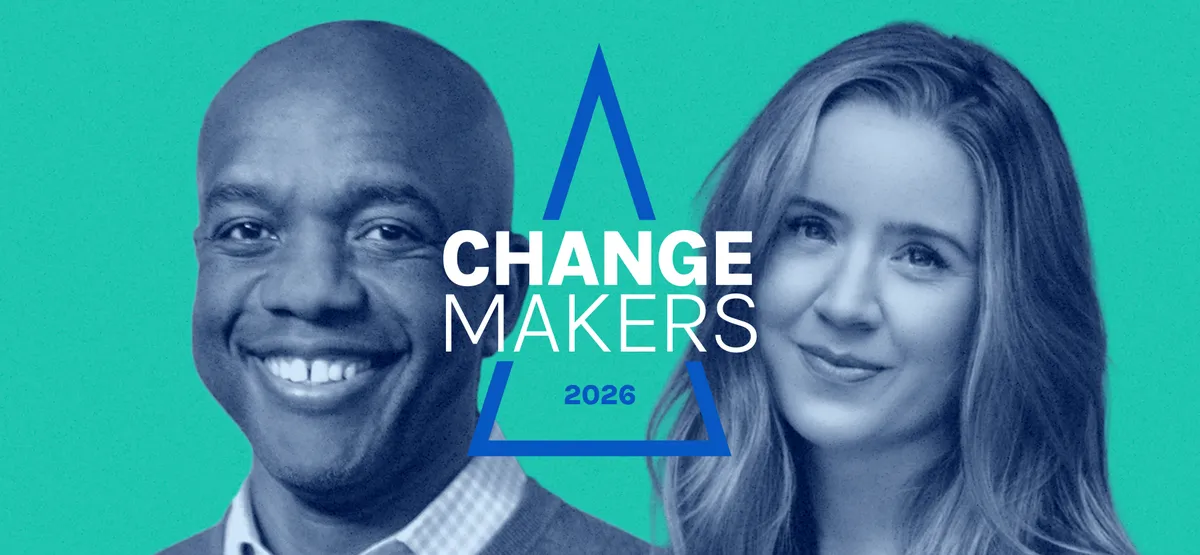
Partnership on AI (PAI) has named Verity Harding and James Manyika as its 2026 ChangeMaker Awardees. According to PAI, both were instrumental in founding the organization in 2016 and have supported its work since.
- PAI named Verity Harding and James Manyika its 2026 ChangeMaker Awardees on October 7, 2026.
- Both were instrumental in founding Partnership on AI in 2016.
- PAI says it has more than 150 member organizations across 19 countries.
- PAI's second-decade focus: human connection and well-being, AI for shared prosperity, and trust across the agentic AI value chain.
- A forthcoming Global AI Progress Hub aims to make progress in the field visible and measurable.
Two founders recognized as PAI turns 10
PAI, which marks its 10-year anniversary this year, said its ChangeMaker Awards recognize people whose leadership has shaped the Partnership and the broader responsible AI field. Rebecca Finlay announced the 2026 recipients in a blog post dated October 7, 2026.
According to PAI, more than 150 organizations across 19 countries share in its collective impact. The group credits that to people who commit, year after year, to what it calls the "quiet, essential work of collaborating across sectors."
The two awardees are:
- Verity Harding, Director of the AI & Geopolitics Project at the University of Cambridge and Founder of Formation Advisory
- James Manyika, Senior Vice President at Google-Alphabet and President for Research, Labs, Technology & Society
Harding and Manyika: the contributions PAI cites
PAI describes Harding as Google DeepMind's first Global Head of Public Policy, who co-founded Partnership on AI at a time when competitors convening around AI's impact on society was "far from obvious." She volunteered her time for several years, including as Treasurer of the Board. Her book, AI Needs You: How We Can Change AI's Future and Save Our Own (Princeton University Press, 2024), argues that the public has a legitimate claim on how the technology develops. Her Cambridge research group makes the case for moving past the framing of AI as a great power competition, in favor of international diplomacy and cooperation. PAI says this connects to its call on governments and organizations to close the global digital divide.
Harding, who PAI notes is one of TIME's 100 Most Influential People in AI, said the founders saw the need for an independent, trusted space for difficult conversations among those building AI. She said it was also critical that the conversation reach beyond technology companies to include civil society, academia and non-AI businesses.
PAI says Manyika has spent his career on the question it exists to answer: the impact of AI on people, work and institutions. At Google he leads foundational and applied research across AI, computing and science. As Chair of the McKinsey Global Institute, PAI says, he helped provide the organization with the strategic and operational resources to get started. He served as Co-Chair of the United Nations Secretary-General's High-Level Advisory Body on AI and as Vice Chair of the US National AI Advisory Committee. He also edited the Dædalus volumes on AI & Society and on AI and the future of discovery.
Manyika said he was glad to have been involved in the founding and early days of PAI. In his words, "The need for the work that the Partnership does and its membership has never been greater."
PAI's priorities for its second decade
PAI framed the awards against a backdrop of frayed trust between governments, industry and the public. It said this environment demands people willing to convene instead of retreat and to build coalitions instead of fostering division.
The organization says it enters its second decade with a sharpened mandate focused on three areas: human connection and well-being, AI for shared prosperity, and trust across the agentic AI value chain. PAI also said its forthcoming Global AI Progress Hub aims to make progress in the field visible and measurable. The source gives no launch date for the hub.
For the wider field, the announcement signals where PAI intends to concentrate its work as it invites industry, civil society, academia and governments to partner with it on shaping the future of AI.
Partnership on AI: PAI honors Verity Harding and James Manyika as 2026 ChangeMaker Awardees