Caterpillar to Make Collision Safety Technology Standard on Most New Machines
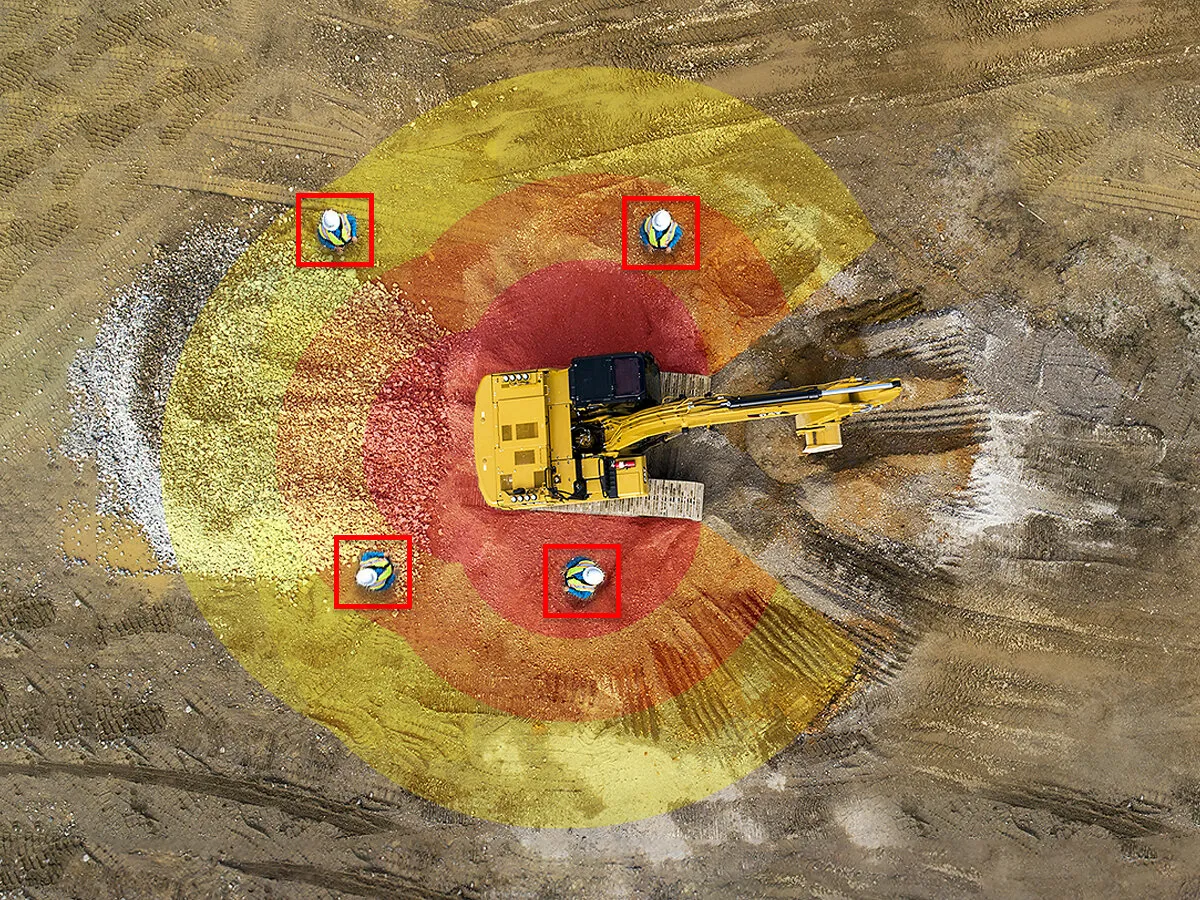
Caterpillar will make collision warning and collision mitigation technologies standard on the majority of new Cat construction machines throughout 2027. The company says the move will expand access to tools designed to improve operator awareness and jobsite safety.
- Most new Cat construction machines will get collision safety technology throughout 2027.
- CMS can warn operators and, on supported machines, inhibit movement or automatically brake.
- CWS enhances situational awareness while machines are reversing.
- Smart cameras can identify human forms and warn about nearby workers or pedestrians.
- VisionLink provides fleet videos and insights for safety decisions and operator coaching.
Safety systems will move from optional to standard
Caterpillar said the technologies were previously optional on select models and configurations. Making them standard on the majority of new Cat construction machines throughout 2027 is intended to help customers deploy advanced safety technology more consistently across their fleets.
The Collision Mitigation System, or CMS, helps reduce reversing risks by warning the operator and, on supported machines, helping inhibit movement or automatically brake. The Collision Warning System, or CWS, is an operator assist feature designed to enhance situational awareness when a machine is reversing.
Smart camera technology is designed to recognize human forms in a machine's path and warn operators about nearby ground workers or pedestrians. Caterpillar says this can help reduce blind-spot risks on busy jobsites.
Alerts and fleet data support operator decisions
Depending on the machine configuration, the systems can provide visual and audible alerts when hazards are detected. In certain situations, they can also initiate mitigation measures intended to help reduce the likelihood or severity of a collision.
Caterpillar described the technology as support for operators working in complex environments where people, machines and materials must operate safely and efficiently together. The company said increasing congestion on jobsites has strengthened customer demand for tools that help operators understand their surroundings, identify potential hazards and respond to changing conditions.
Customers will also have access to VisionLink, where they can review videos and insights across their fleet. Caterpillar said they can use the system to see where close calls happen most often, inform safety-related decisions and coach operators as part of continuous improvement efforts.
Customers point to broader adoption across fleets
Rod Shurman, group president of Caterpillar's Construction Industries, said, "Keeping employees safe on busy jobsites is a priority for our customers, and we're committed to helping them." He added that moving the technologies from optional to standard on eligible machines makes it easier to adopt them consistently across jobsites and support safer operations.
Steve Curry, vice president of equipment for Kiewit, said the company had invested in retrofitting safety technologies across its construction and mining equipment, including seatbelt indicators, pedestrian detection and proximity cameras. "Making these technologies standard on new equipment is the next evolution in driving broader adoption across our industry," Curry said.
For users, the change means the specified safety capabilities will be included more broadly on eligible new Cat construction machines throughout 2027, rather than requiring the same level of optional adoption across a fleet. Caterpillar said the move is intended to support safer operations while maintaining the productivity, durability and performance customers expect from Cat equipment. Customers can get more information from cat.com or a local Cat dealer.